
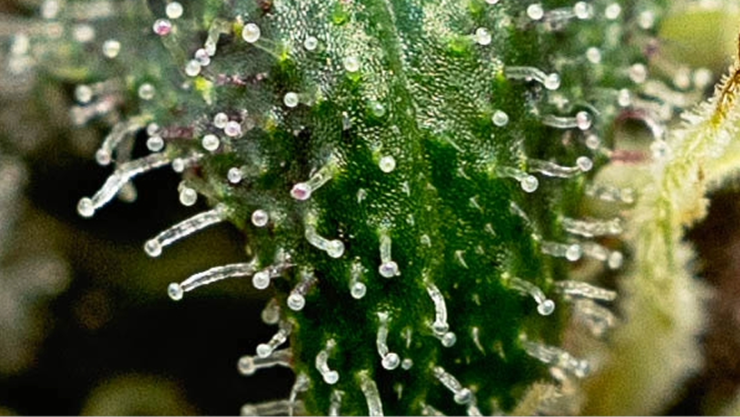
From fruity to fuel-like, cannabis aroma comes down to terpenes and genetics. SunMed Growers breaks down what gives each strain its scent.
Cannabis Terpenes: Why Strains Smell Fruity or Gassy
Why Cannabis Smells Different: Terpenes, Genetics & Aroma
Whether it's sweet berries, bright citrus, fresh pine, or straight diesel, one of the first things you'll notice about cannabis is its aroma. But why do different strains smell so different?
The answer lies in a combination of terpenes, genetics, and cultivation practices. While THC often gets the spotlight, these aromatic compounds are what give each cultivar its unique scent and flavor profile.
Let's take a closer look at why some strains smell fruity while others have that unmistakable "gassy" aroma.
It All Starts with Terpenes
Terpenes are naturally occurring aromatic compounds found throughout nature. They're responsible for the scent of oranges, lavender, pine trees, black pepper, and countless other plants—including cannabis.
Inside cannabis trichomes, terpenes develop alongside cannabinoids like THC and CBD, creating the aroma and flavor that make every cultivar unique.
Why Do Some Strains Smell Fruity?
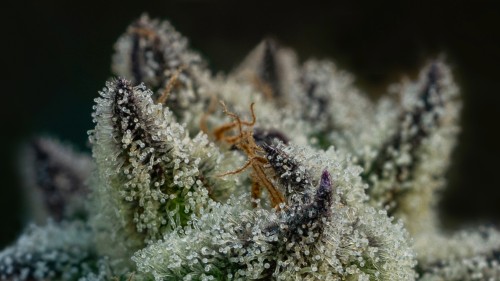
Fruity cannabis isn't created by one terpene alone. Instead, it's the result of several terpenes working together.
Some common contributors include:
-
Limonene – citrus notes like lemon and orange
-
Terpinolene – sweet, fruity, and floral aromas
-
Linalool – floral with subtle sweetness
-
Myrcene – earthy with hints of ripe fruit
The exact combination—and the amount of each terpene—creates the distinctive aroma of each cultivar.
What Creates the "Gas" Aroma?
The diesel or fuel-like smell found in many popular cultivars is more complex.
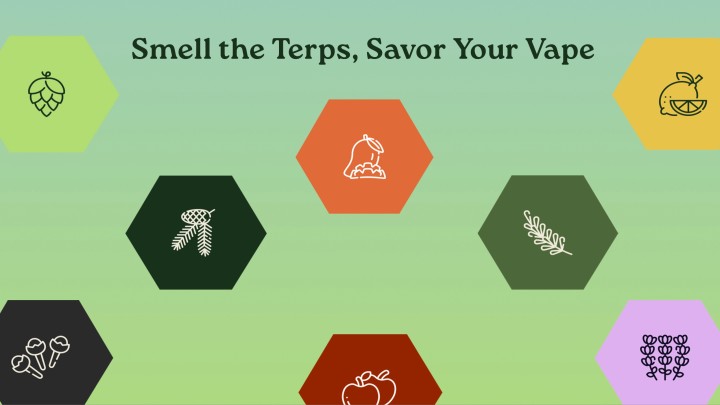
While terpenes like caryophyllene, myrcene, and humulene contribute spicy and earthy notes, researchers have found that trace amounts of volatile sulfur compounds are largely responsible for the pungent "gas" aroma in some cannabis varieties.
These compounds are present in extremely small amounts but have a powerful smell—similar to the sulfur compounds that give garlic or skunk spray their distinctive scent.
Genetics Shape the Aroma
Every cannabis cultivar has its own genetic blueprint, which determines the types and amounts of terpenes it can produce. That's why two strains with similar THC levels can smell completely different. One may lean toward sweet citrus while another develops earthy, piney, or fuel-like aromas. For many consumers, the terpene profile is just as important as the cannabinoid profile when choosing a product.
Genetics provide the foundation, but the growing environment helps bring those aromas to life. Factors like light, temperature, irrigation, harvest timing, and curing all influence terpene development and preservation.
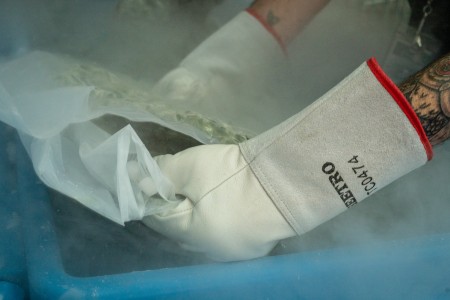
At SunMed Growers, our Dutch-style greenhouse combines natural sunlight with climate-controlled technology to produce consistent, terpene-rich flower year-round. Once cannabis is harvested, terpene preservation becomes the next priority. Products made from fresh frozen cannabis, like live resin concentrates, are processed shortly after harvest to help retain more of the plant's original aromatic compounds.
That's one reason live resin products are known for delivering aromas that closely resemble freshly harvested flower.
Frequently Asked Questions
What are terpenes in cannabis?
Terpenes are naturally occurring aromatic compounds found in cannabis trichomes and throughout nature. They develop alongside cannabinoids like THC and CBD, giving each cultivar its distinct scent and flavor.
Why do some cannabis strains smell fruity?
Fruity aromas come from a combination of terpenes rather than a single one — commonly limonene (citrus), terpinolene (sweet and floral), linalool (floral with sweetness), and myrcene (ripe fruit). The exact ratio of these terpenes determines how fruity a strain smells.
What causes the "gas" or diesel smell in some cannabis?
Trace amounts of volatile sulfur compounds are the primary source of the pungent "gas" aroma in cannabis, working alongside terpenes like caryophyllene, myrcene, and humulene that add spicy, earthy undertones.
Do genetics or growing environment have a bigger effect on aroma?
Both play a role. Genetics determine which terpenes a strain can produce, while growing conditions — light, temperature, irrigation, harvest timing, and curing — determine how fully those terpenes develop and how well they're preserved after harvest.
Why do live resin products smell closer to fresh flower?
Live resin is made from fresh frozen cannabis processed shortly after harvest, which helps retain more of the plant's original terpenes before they degrade — resulting in an aroma that closely resembles freshly harvested flower.
Follow Your Nose
Whether you prefer fruity, earthy, floral, piney, or gassy cannabis, those aromas are the result of a unique combination of terpenes and other naturally occurring compounds.
The next time you're shopping for cannabis, don't just look at the THC percentage. Paying attention to aroma and terpene profiles can help you better understand each cultivar's character and discover new favorites along the way.


