
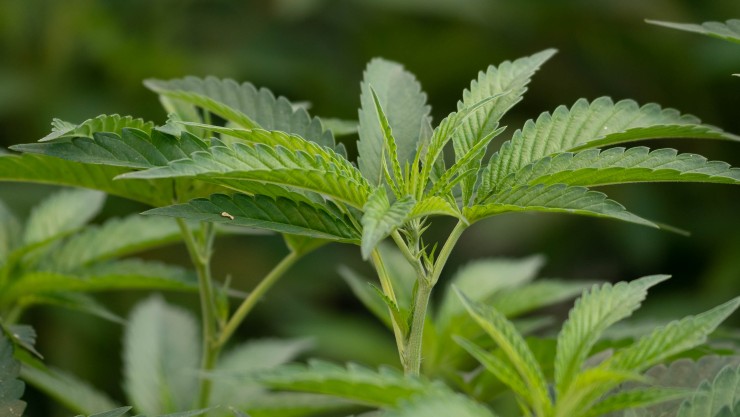
Why do cannabis plants look so different from one another? Learn how genetics, growing conditions and plant biology shape every cultivar.
Why Cannabis Plants Don’t All Look the Same
Put two cannabis plants next to each other, and you might be surprised by just how different they can look. One might grow tall with long, narrow leaves. Another might stay compact and bushy. Some flower with bright green buds, while others develop deep purple hues, orange pistils, or an extra-frosty layer of trichomes.
They’re all cannabis, so what makes them look so different? The short answer: genetics, growing conditions, and a little bit of plant biology.
It Starts with Genetics
Just like other plants, cannabis inherits traits from its parents. Genetics help establish the blueprint for everything from plant height and branching patterns to leaf shape, flower structure, and color.
Genetic variation in cannabis includes differences in height, growth habit, leaf size, number of leaflets, flowering time, and other visible characteristics.
At SunMed, we maintain those genetics long before a plant reaches the flowering greenhouse. Our guide to cannabis mother plants explains how cultivators use mother plants and cloning to preserve individual cultivars' characteristics from one generation to the next.
Genetics Aren’t the Whole Story
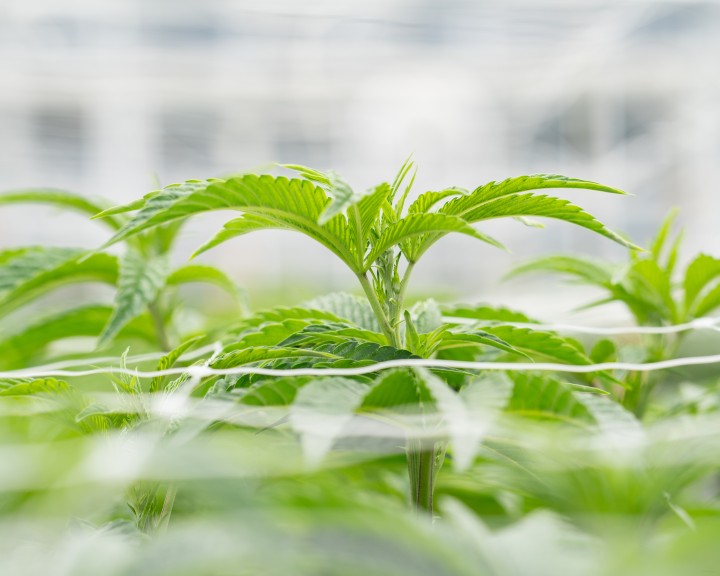
Light, temperature, water, humidity, nutrients, and other growing conditions can all influence how a plant develops. Researchers call this relationship a genotype × environment interaction—essentially, different genetics can respond differently to the environments in which they’re grown. Cannabis research has found substantial variation in growth habits between genotypes as well as measurable changes when plants experience environmental factors such as water limitations. That’s one reason environmental control matters so much in cultivation.
Inside SunMed’s Dutch-style greenhouse, natural sunlight works alongside environmental controls to give our cultivation team greater control over the conditions surrounding each crop.
Where Do Those Purple Hues Come From?
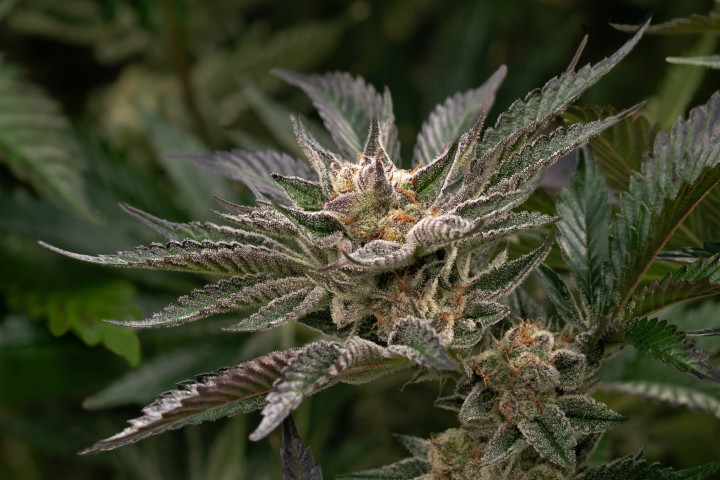
One of the easiest differences to spot is color. Cannabis can display shades ranging from bright green to purple and nearly black. Some of those colors come from anthocyanins, plant pigments also responsible for red, blue, and purple colors in foods and plants throughout nature.
Whether those colors appear depends on a combination of genetics and environmental conditions. And while colorful flowers can definitely catch your eye, appearance alone doesn’t tell you everything about what’s inside.
What About All That Frost?
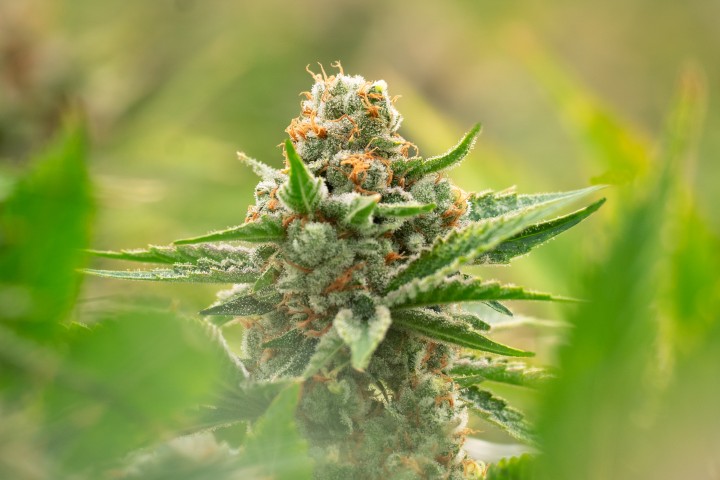
That frosty, crystal-like coating on cannabis flower comes from trichomes.
These tiny structures are especially important because glandular trichomes are where cannabis produces and accumulates many of its cannabinoids and terpenes. Trichome development and morphology can vary by genotype and plant age.
Different by Nature
Tall or short. Bright green or deep purple. Dense or airy. Frosty, leafy, narrow or wide. There isn’t one way a cannabis plant is supposed to look.
Every cultivar brings its own genetic blueprint to the greenhouse, and the environment helps shape how those characteristics ultimately show themselves. That’s part of what makes growing cannabis so interesting—and why a greenhouse full of different cultivars can look much less uniform than you might expect.
At SunMed Growers, we see that every day under the Maryland sun. Explore our SunMed-grown flower and find it at a Maryland dispensary near you.
Frequently Asked Questions
Why do different cannabis plants look so different from each other?
Cannabis plants vary in appearance due to a combination of genetics, growing conditions, and plant biology. Genetics establish the blueprint for traits like height, branching, leaf shape, flower structure, and color, while environmental factors shape how those traits are ultimately expressed.
Does genetics alone determine how a cannabis plant looks?
No. While genetics provide the blueprint, growing conditions like light, temperature, water, humidity, and nutrients also influence how a plant develops. Researchers call this genotype × environment interaction — the same genetics can respond differently depending on the environment.
What causes purple coloration in some cannabis strains?
Purple, red, blue, and nearly black coloration in cannabis comes from anthocyanins, naturally occurring plant pigments also found throughout the plant and food world. Whether these colors appear, and how strongly, depends on genetics and environmental conditions.
Does a purple or colorful cannabis strain mean it’s more potent?
No. Appearance alone doesn’t tell you everything about what’s inside a product. Color comes from genetics and environment, not cannabinoid content, so it’s not a reliable indicator of potency.
What are trichomes and why do some cannabis flowers look frostier than others?
Trichomes are tiny, resinous structures on cannabis flowers that give them a frosty appearance. Glandular trichomes produce and store many of cannabis's cannabinoids and terpenes, and research shows trichome development and morphology can vary by both genotype and plant age.
How does SunMed Growers maintain consistent genetics across its cannabis crops?
SunMed uses mother plants and cloning to preserve individual cultivars from one generation to the next, cultivating them in a Dutch-style greenhouse where natural sunlight works alongside environmental controls for greater consistency.


